


10 Bikepacking mistakes when going on your first trip (and how to avoid them)
15/05/2026
In this article:
1. Packing too much
Despite not enjoying owning a lot, I always panic when packing and always, always pack too much. The same goes for bikepacking. Basically every trip, I pack too much again and then regret it. The truth is: you'll probably need a lot less than you think. Of course, what to pack depends on your destination, but generally speaking, it's almost the same for 3 days as it is for three months.
I never pack cooking gear, because in most countries it doesn't make sense for me and it also takes up a lot of space. However, if you enjoy cooking, are traveling on a budget, or simply need a coffee in the morning, bring the lightest stove possible, a versatile all-purpose pot, and a spork, especially when traveling through remote areas. Having a small stove and gas canister with you can be incredibly helpful. Just make sure to plan ahead, as small gas canisters with the correct thread can be difficult to find in more remote or less common destinations.
When it comes to clothing, keep it simple! I always take two pairs of bibs (for more tips on vaginal health, read Bikepacking and vaginal health: Top tips for comfortable multi-day rides), one short-sleeved riding shirt and one long-sleeved one, and wash them whenever possible. A set of sleeping clothes, underwear, a packable down jacket, socks, and something versatile to wear off the bike.
Make sure to take clothes you can use on several occasions. Mix and match and layer. It probably won't be a fashion show, and I remember times where I just layered everything, wore socks with sandals (proper German style!), and even a base layer over a dress. I do like to pack a simple cotton maxi dress, actually, because it's perfect after a long day in bibs to air your vagina (thank me later!) and instantly makes you look more put together while being super comfy.
Either way: pack less, not more. If you really need something you didn't bring, you'll hopefully be able to buy it or learn to improvise. Don't pack anything "just in case" unless it's something really crucial. Nothing hurts more than carrying something up a mountain pass that you never use. While I'm not a weight optimizer on the bike, when bikepacking it definitely makes sense.
Make sure to leave some spare space after packing, you'll need it for food at some point. Take a small packable backpack in case you need to transport food in the evening.
Another question people often ask is whether to bring a lock. I'd say that's a very personal decision. I've never taken a lock on any of my bikepacking trips. In nature or small villages, I've never felt uncomfortable leaving my bicycle unlocked while sleeping outdoors or quickly stopping at a small grocery store. In Japan, it was even perfectly fine to leave our bikes completely unattended for the entire day. In bigger towns, if I'm touring alone, I usually ask politely whether I can leave my bicycle near the entrance of a grocery store. Of course, if you know you'll be spending time in larger towns and want a bit more peace of mind, bringing a handy lock is always a good idea.
2. Not testing your gear before the trip
Always test your gear before your trip! Before my first trips, I either didn't have the time or simply wasn't keen to set everything up in advance and at least once or twice I realized I had made a mistake. So test your gear first.
Head out for a night or two to test your sleeping setup and get familiar with it. Maybe even test it in harsher conditions to see if you'll stay warm enough with your sleeping bag and mattress (R-value!). Test your bags and get used to attaching and packing them.
Put together everything you want to bring and pack it into your bags to see if everything fits easily. Leave space for food later! I suggest using two big snack bags on the handlebar and keeping them completely free for food.
Once everything is packed, go for a short ride or an overnighter to see if the setup works. Make sure to attach the bags really firmly (firmer than you think!) and use frame protection stickers if you care about scratches, your bike will get scratched from the bags, especially when riding off-road. On my first trip, I didn't strap my bags tightly enough and constantly had them rubbing on the wheel or things falling out when riding off-road.
3. Choosing the wrong route
I wouldn't say there's a "wrong" route, just one that doesn't work for you, your fitness level, or your timeframe. If you usually ride without bags, you'll be used to covering more distance. 500 km might normally take you 3–5 days, but when bikepacking, things can be very different.
Riding off-road with gear and weight, searching for supplies, stopping for photos, dealing with mechanical issues, or simply arriving somewhere so beautiful that you want to stay longer, all of this adds time.
Choose a realistic route for your skill level and timeframe to avoid frustration. While pushing hard might be fun for some ultra-cycling bikepackers, I personally really appreciate the slower, more mindful way of traveling. We already rush enough in our lives, right? So rather pick a shorter route and plan an extra rest day. You can always extend your route, but shortening it might not be so easy if you have to be somewhere on a specific date.
Of course, also keep elevation gain in mind. Some steep off-road sections may require you to push your bike or, for people like me who actually enjoy it, even carry it. A couple of kilometers can easily take a few hours. While 150 km on paved roads with an unloaded bike might be a 6 hour ride, 50 km off-road with 2,000 m of elevation gain could take even longer. Never underestimate how much more effort off-road riding with a loaded bike requires.
4. Ignoring nutrition & hydration
Well, you can't really ignore it, but you can definitely underestimate how much you'll need to eat to feel good. While bikepacking, a 60 km route can easily take the whole day, include hike-a-bike sections, or simply be more exhausting because of the added weight.
I often feel like I need to eat constantly, which isn't always easy. There were times when I didn't have enough food in the evening and woke up completely drained. In some countries (like Guatemala, rural Vietnam, or Lesotho), I really struggled to find supplies. If you're in areas like this, pack some calorie-dense emergency food. My go-to is usually a big jar of peanut butter and oats. Not exactly Michelin-star dining, but oats with water and peanut butter make a filling and nutritious meal.
The same goes for hydration: hydrate, hydrate, hydrate and add electrolytes every now and then. I'm not a fan of artificial sports nutrition, so I don't take gels, but I do bring electrolytes and magnesium to replenish minerals on long, sweaty days.
Depending on the country, you might also struggle with different diets. I often found it difficult in Asia due to the rice-heavy diet, which is low in fiber. My solution was to buy oats whenever possible and have them for breakfast.
"Shit in, shit out" - if you don't fuel your body properly, you'll notice after a few days.
5. Wearing the wrong clothing
Again, "wrong" is subjective, but I've found that typical tight synthetic cycling gear isn't always ideal for bikepacking. I still wear bibs, but often pair them with a loose long-sleeve sports shirt or a merino t-shirt. Loose clothing just feels better on long days.
Merino absorbs sweat, keeps you dry, regulates temperature, and prevents odor. Tight jerseys can get very smelly after a few days, even if you wash them, I wouldn't recommend it (unless you really have a resistant nose).
Also, don't bring delicate or light-colored gear. Handwashing, dust, and dirt will wear it out quickly. It's not worth it. These days, I focus more on comfort than looks. A loose long-sleeve shirt with UV protection is often the better choice.
6. Not having an ideal bike setup
Test your setup! I once went on a 4-month trip with a bike I hadn't ridden before. I didn't have time to test it properly or adjust the gearing, and I ended up riding thousands of meters of elevation with gearing that wasn't ideal.
It worked, but over time, it caused muscular issues I'm still dealing with. This shows how important proper bike fit is. It's not just about comfort, it can prevent long-term injuries.
For longer trips, a professional bike fitting might be worth it even. I used to struggle a lot with my saddle, and before my last trip I finally invested in a custom one. It is a game changer! If you want to learn more, check out Best bike saddles for women and people with a vulva: Fit, comfort and pain-free riding while bikepacking.
7. Being unprepared for bad weather
No matter the trip (short, long, summer, or winter) weather can change quickly. Especially in the mountains, you might experience multiple weather conditions in a single day.
One of my wildest experiences was bikepacking through Lesotho during the rainy season. I didn't bring rain gear to save space, assuming I wouldn't ride in the rain anyway (dirt tracks there are unrideable in rain). Well, I ended up in a hailstorm, completely soaked, taking shelter in a school building.
It could have been avoided if I had started earlier. Instead, I waited to dry my tent in the morning. Lesson learned: sometimes it's better to pack a wet tent than end up soaked yourself.
You can't always plan perfectly, but you can adapt. In remote areas especially, proper planning matters. Use waterproof bags to keep your gear dry, nothing is worse than everything being wet.
8. Overestimating daily distance
Plan more conservatively than usual. Bikepacking is not the same as riding an unloaded road bike. Everything takes longer and you'll probably want more time to enjoy the journey.
At first, I felt frustrated when I didn't cover enough distance (whatever "enough" even means). Now, I don't mind a 20 km day. Sometimes you go far, sometimes you don't. That's part of it. Relax and go with the flow.
9. Skipping basic repair knowledge
A mechanical issue can quickly end your trip if you don't know how to fix it and there's no bike shop nearby.
During our trip in Lesotho, my boyfriend's shifter broke after a minor crash. The only bike shop in the country was in the capital, days away. We asked around, contacted people online, and even visited car repair shops. No one could fix it.
In the end, we managed to repair it ourselves, otherwise, the trip would have been over.
Make sure you know the basics: fixing a flat, using tubeless plugs, carrying essential tools, and even bringing spare parts like a derailleur hanger. Also pack things like tape, straps, and repair patches. And use the Rolling Around app to find nearby bike shops!
10. Forgetting to enjoy the ride
Most importantly: don't forget why you're doing this.
While there's a lot you can optimize, bikepacking isn't about perfection. It's about slowing down, simplifying, and being present. For me, it's a way to disconnect from daily stress and connect with the world around me.
So don't overthink it. Go with the flow, it's all about the adventure.
Happy riding!
Franziska
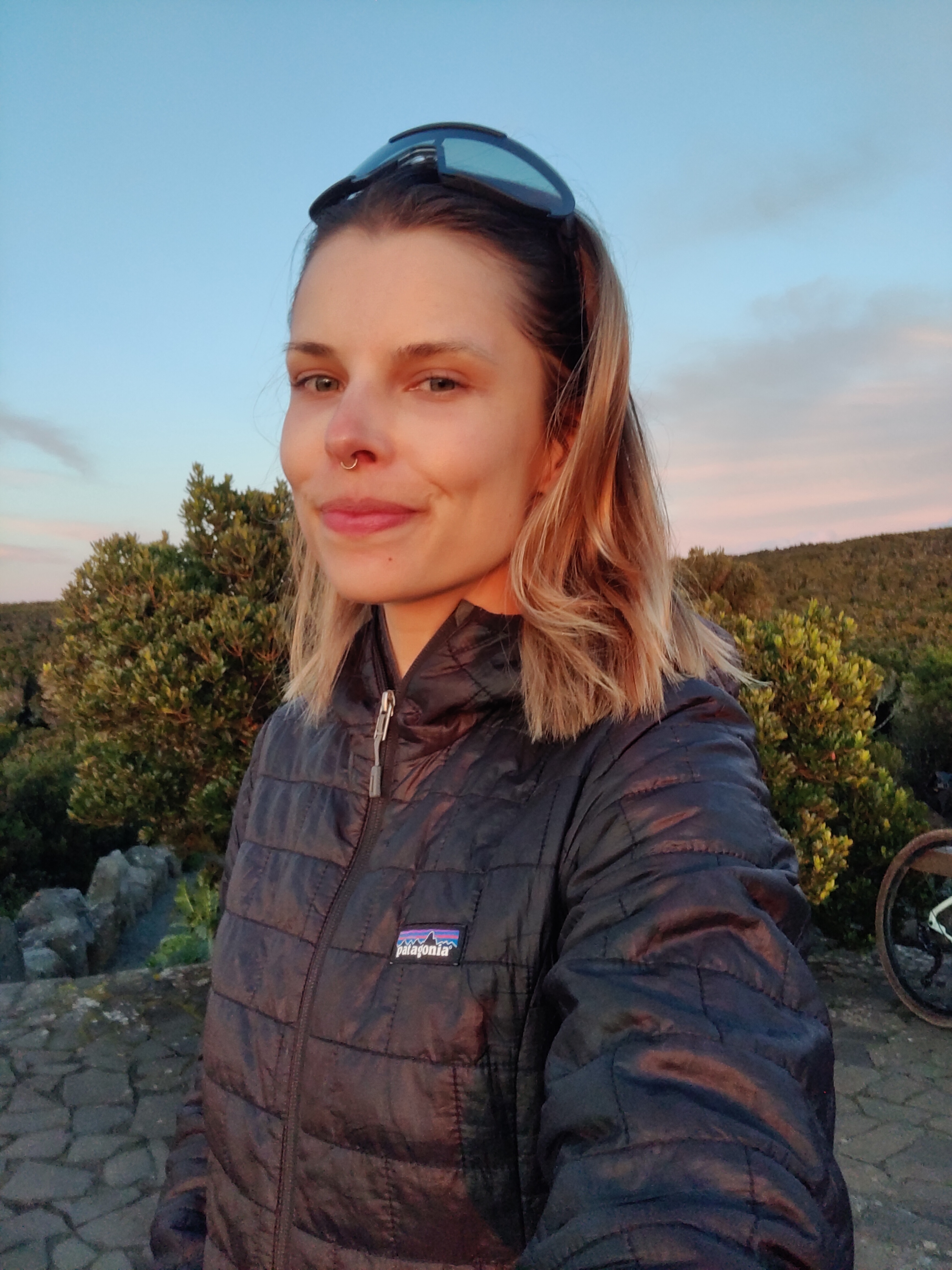
Franziska